
Blow-in Insulation Services in Harlingen Texas
Harlingen Insulation provides professional blown-in insulation for homes and commercial properties throughout Harlingen, TX. This insulation service helps improve thermal coverage in attics, wall cavities, and other suitable areas where existing insulation may be insufficient, uneven, compressed, displaced, or deteriorated. Loose-fill material can settle around framing, penetrations, and irregular spaces, making it a practical option for areas where consistent coverage may be difficult to achieve with traditional batt insulation.
Our trained technicians assess existing materials, accessibility, current insulation depth and coverage, ventilation, moisture conditions, air leakage concerns, and property-specific requirements before recommending an appropriate insulation type and installation approach. Depending on the building conditions and intended application, blown-in fiberglass or cellulose may be considered. Professional installation focuses on proper material depth, density, distribution, and coverage while accounting for surrounding building components and the thermal performance requirements of the property.
Request a Free Quote
We will get back to you as soon as possible.
Please try again later.
Overview
Blown-In Insulation for Harlingen Homes
Blown-in insulation covers attics, wall cavities, and other areas where traditional materials may be difficult to fit. In Harlingen’s climate, proper coverage can reduce heat transfer and support indoor comfort. Loose-fill material settles around framing, gaps, and irregular spaces for consistent coverage. Before installation, our technicians assess existing insulation, access, moisture, ventilation, and building conditions to determine the appropriate material and whether existing insulation can remain.
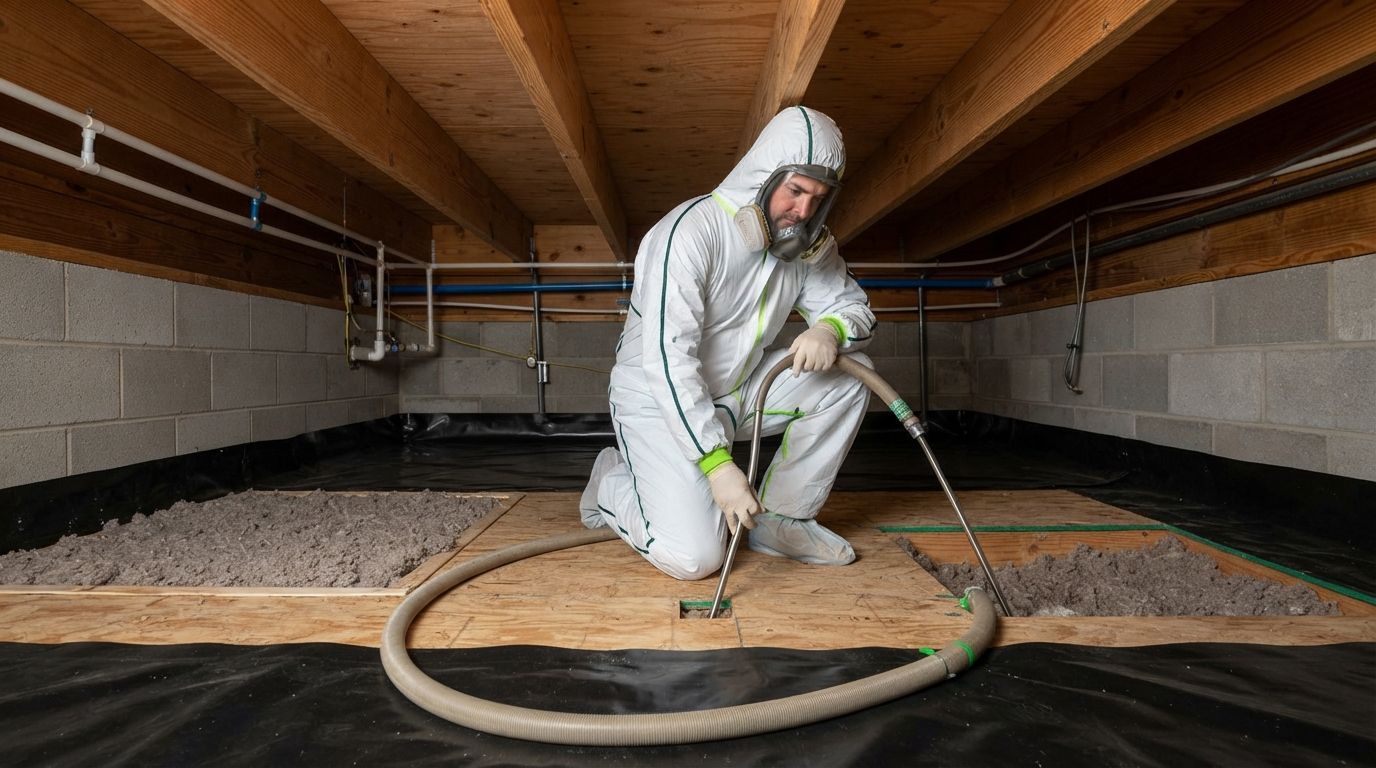
Existing Coverage
Current insulation depth and distribution are checked for thin, uneven, compressed, or uncovered areas that may need additional material.
Material Condition
Existing insulation is evaluated for moisture, contamination, deterioration, or damage before new blown-in material is added.
Insulation Material
Fiberglass or cellulose may be used depending on the application area, existing conditions, and insulation requirements of the property.
Coverage Areas
Loose-fill insulation can provide coverage around framing, penetrations, gaps, and irregular spaces in suitable attics and wall cavities.
Added Insulation
When existing insulation remains dry, intact, and suitable, additional blown-in material may be installed to improve overall coverage.
Problem
Common Signs Blown-In Insulation May Be Needed
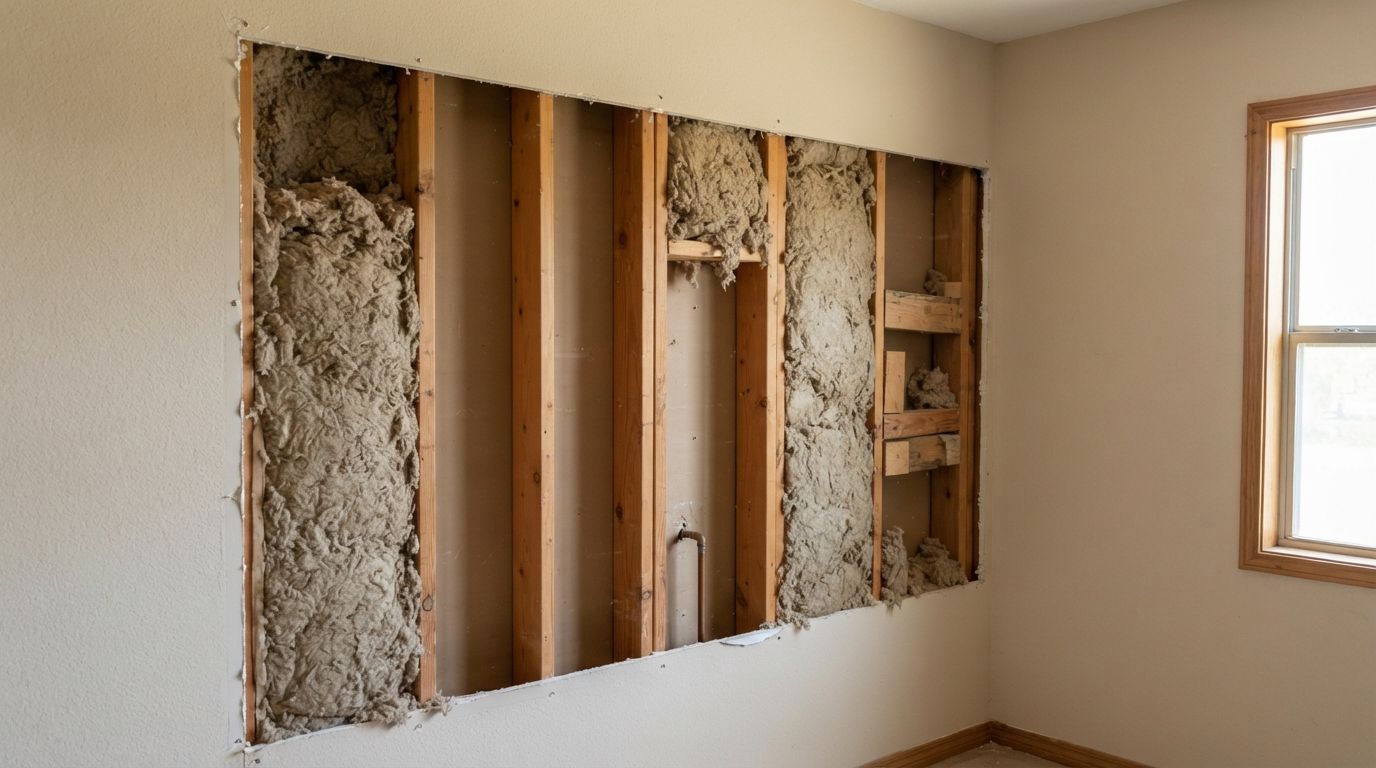
Changes in indoor comfort or visible insulation conditions may indicate that existing material is no longer providing consistent coverage. Common signs to look for include:
- Uneven Temperatures: Some rooms feel noticeably warmer or cooler than others.
- Visible Gaps: Insulated areas have little or no material coverage.
- Settled Insulation: Loose-fill material has settled and become thinner over time.
- Compressed Material: Existing insulation appears flattened or uneven in certain areas.
- Higher Energy Use: Heating or cooling systems may operate more often than expected.
- Moisture Concerns: Damp or moisture-affected insulation may require further evaluation.
A professional assessment can identify thin coverage, displaced materials, moisture concerns, and other conditions affecting insulation performance. Insulation should also be considered alongside air leakage, ductwork, windows, HVAC performance, and other parts of the building envelope.
Process
How We Professionally Install Blown-In Insulation
Careful installation helps provide consistent blown-in insulation coverage.
Initial Assessment
Our technicians assess existing insulation, area access, ventilation, moisture conditions, air leakage, and areas requiring additional coverage.
Area Preparation
Gaps and penetrations may be addressed, while damaged or unsuitable insulation is evaluated before adding material.
Insulation Installation
A specialized blowing machine distributes suitable cellulose or fiberglass insulation evenly across the intended areas at the required depth.
Final Inspection
Installed areas are reviewed for material depth, distribution, consistent coverage, and visible concerns before the project is completed.
Cost
Factors That Affect the Cost of Blown-In Insulation work
Blown-in insulation costs vary because each project has different insulation needs and building conditions. The size, selected material, required depth or R-value, existing coverage, and accessibility can influence material and labor costs. Existing insulation may affect the scope when damaged, contaminated, or moisture-affected material requires removal. Installation area, building layout, framing, access, and permit or inspection requirements may also influence the work. A property-specific assessment helps identify these factors and provides a basis for estimating the blown-in insulation cost.
Coverage Area
Larger spaces need more insulation material and labor.
Insulation Depth
More depth needs more insulation for proper coverage.
Existing Material
Damaged insulation may need removal before installation.
Area Access
Limited access can add more work and prep.
Harlingen Insulation
Why Choose Our Harlingen Blown-In Insulation Team?
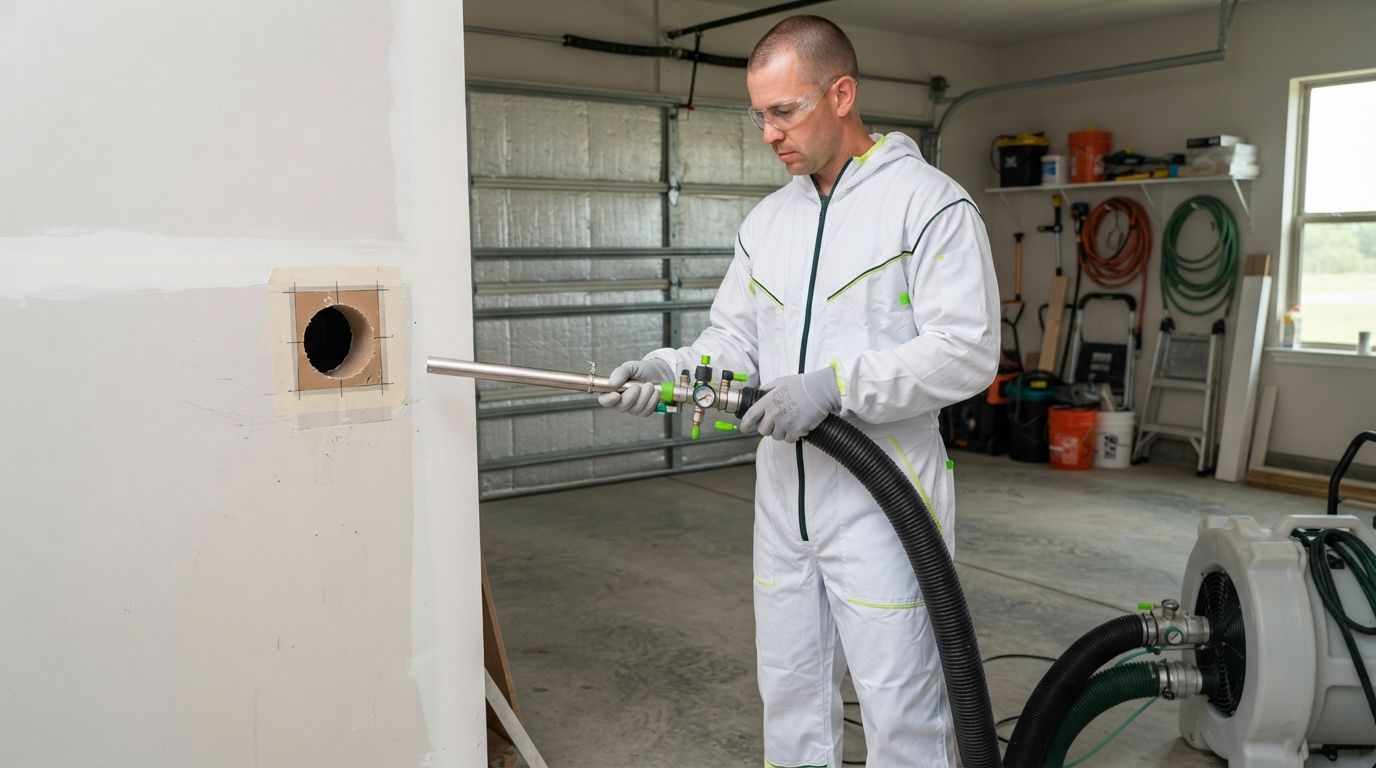
Harlingen Insulation brings 7 years of hands-on industry experience to local insulation projects for homes and businesses. Our home insulation experts use property-specific assessments, professional equipment, and controlled installation methods to provide consistent coverage with suitable blown-in cellulose insulation, blown-in fiberglass insulation, or other appropriate insulation products based on the building conditions, installation area, existing coverage, accessibility, and specific thermal performance requirements identified.
Professional blown-in insulation work includes attention to material depth, distribution, ventilation, accessible penetrations, and existing building conditions. Rather than assuming additional insulation is appropriate for every property, technicians evaluate existing materials and determine whether preparation, removal, air sealing, or other insulation work should be addressed before installation. Property owners receive clear information about material options, preparation requirements, proposed coverage, and the installation process. Safety-focused procedures and professional insulation standards are maintained throughout the project, from the initial assessment through the final review of accessible installation areas.
Real Results
Recent Blown-in Insulation Projects in Harlingen Texas
Explore our recent blown-in insulation projects completed throughout Harlingen, Texas properties.
Before
After
FAQs
Frequently Asked Questions About Blow-in Insulation in Harlingen
Find helpful answers to common blow-in insulation questions from Harlingen property owners.
Need Further Support?
Where can blown-in insulation be installed?
Blown-in insulation can be installed in attics, enclosed wall cavities, and other suitable building areas. The application depends on access, construction, existing materials, moisture conditions, and insulation requirements.
How much does blown-in insulation cost?
Cost depends on the installation area, material, required depth or R-value, accessibility, existing insulation, and preparation needs. A property assessment helps determine the required material and project scope.
What is the difference between cellulose and fiberglass blown-in insulation?
Cellulose is commonly made from treated recycled paper fibers, while fiberglass consists of fine glass fibers. Each has different properties and installation requirements depending on the building area and application.
Can blown-in insulation be added over existing material?
Blown-in insulation may be added when existing material is dry, intact, compatible, and suitable to remain. Damaged, contaminated, or moisture-affected insulation may require removal or other preparation first.
How long does blown-in insulation installation take?
Installation time depends on the area size, accessibility, preparation needs, existing materials, and project complexity. Wall cavities, difficult access, material removal, or multiple installation areas may require additional time.
Harlingen Insulation
Request a Blow-in Insulation Estimate in Harlingen
Property owners can request an estimate based on the actual insulation needs of their Harlingen home or commercial building. Harlingen Insulation evaluates square footage, existing materials, accessibility, coverage, moisture indicators, ventilation, preparation requirements, and the proposed installation area before developing the scope of work.
The assessment helps determine whether existing insulation can remain, whether additional loose fill is appropriate, or whether damaged material requires removal or other preparation. Property owners receive clear information about cellulose, fiberglass, other suitable insulation materials, installation requirements, and factors affecting the estimate before deciding whether to proceed. Scheduling requirements depend on project scope, property access, preparation needs, and service availability. Any applicable permit or inspection considerations can also be identified during project planning so the proposed insulation work can be coordinated with relevant property and installation requirements.