Wall Insulation Services in Harlingen Texas
Harlingen Insulation provides professional wall insulation for homes and commercial properties throughout Harlingen, TX, helping reduce unwanted heat transfer, accessible air leakage, drafts, and uneven indoor temperatures. Proper wall insulation can help create consistent thermal coverage within suitable wall assemblies while supporting indoor comfort and overall building performance. Existing insulation that is missing, compressed, damaged, deteriorated, or poorly fitted may leave gaps that reduce the effectiveness of the thermal boundary. Wall insulation needs can also vary between existing buildings, renovations, additions, and new construction based on wall design, cavity dimensions, existing materials, and accessibility.
Our trained insulation technicians assess wall construction, existing insulation coverage, accessibility, framing, moisture conditions, penetrations, air leakage concerns, and surrounding building components before recommending an appropriate solution. Depending on the wall assembly and property conditions, suitable materials may include fiberglass insulation, spray foam insulation, cellulose insulation, or other appropriate insulation options. Each recommendation considers material suitability, required thermal resistance, installation access, existing conditions, cavity space, and the intended thermal boundary. Professional installation focuses on proper material placement and consistent coverage around framing, penetrations, and other accessible areas while accounting for moisture and building requirements before the wall insulation project is completed.
Request a Free Quote
We will get back to you as soon as possible.
Please try again later.
Overview
Wall Insulation for Harlingen Properties
Wall insulation helps create a consistent thermal boundary within suitable wall assemblies while reducing unwanted heat transfer and accessible air leakage. In Harlingen’s warm climate, proper wall insulation can support more consistent indoor temperatures in residential and commercial properties. Because wall construction and existing conditions vary between buildings, our technicians evaluate insulation coverage, cavity space, framing, moisture, accessibility, penetrations, and surrounding components before recommending an appropriate material and installation approach.
Wall Construction
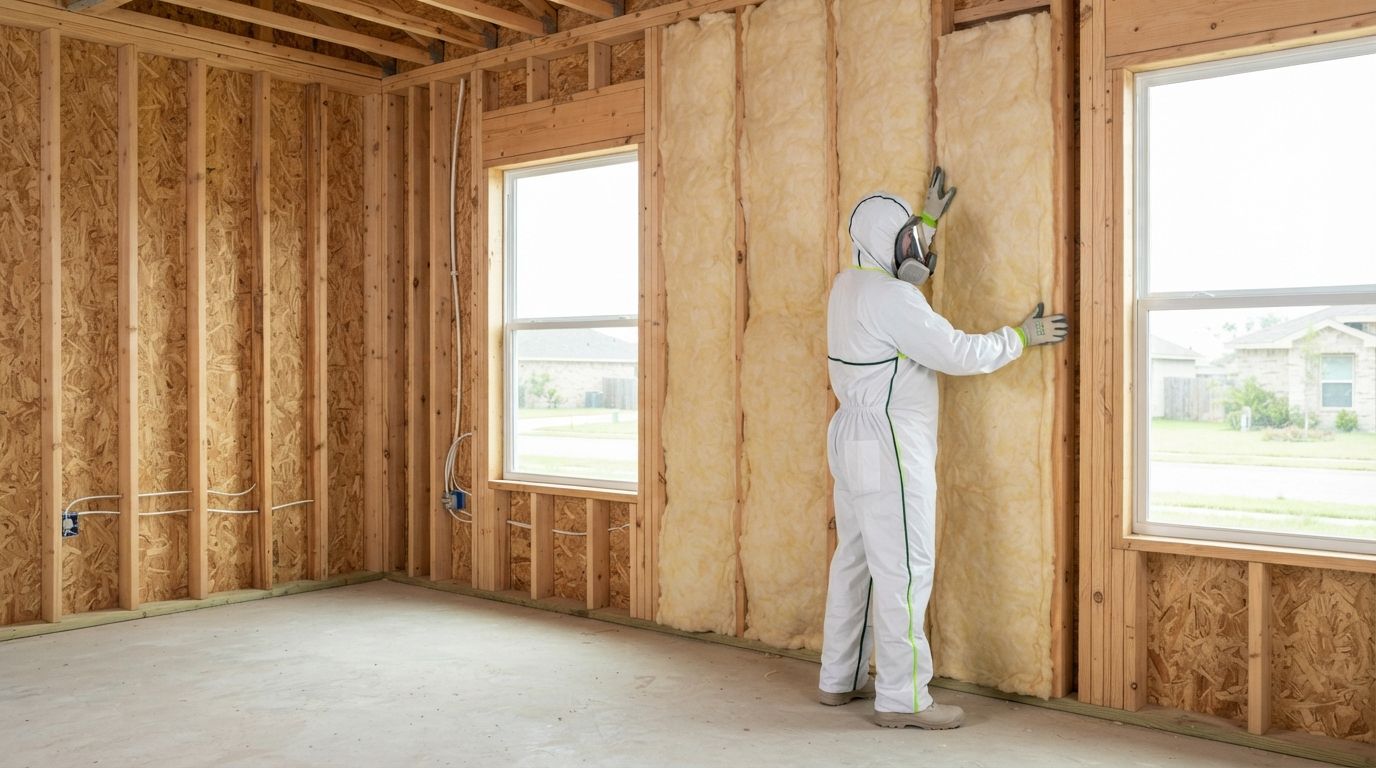
Wall design, framing, cavity depth, and surrounding building components can influence the insulation material, required coverage, thermal resistance, preparation needs, and installation method for the property.
Existing Insulation
Current wall insulation is checked for visible gaps, damage, compression, deterioration, displacement, and uneven coverage that may affect thermal performance.
Material Options
Fiberglass, cellulose, and spray foam may be suitable depending on the wall assembly, cavity space, accessibility, and specific insulation requirements.
Cavity Access
Wall accessibility helps determine how insulation can be installed within open or enclosed cavities while maintaining proper placement and consistent coverage.
Building Conditions
Moisture, accessible air leakage, penetrations, framing, and surrounding components are evaluated before determining an appropriate wall insulation approach.
Problem
Common Signs Your Walls May Need Better Insulation
Changes in indoor comfort, energy use, or visible wall conditions may indicate that existing insulation is insufficient, damaged, or uneven. Common signs to look for include:
- Uneven Temperatures: Some rooms may feel noticeably warmer or cooler than others.
- Wall Drafts: Air movement near outlets, baseboards, or penetrations may indicate accessible air leakage.
- Higher Energy Use: Poor wall insulation may increase heating or cooling demand.
- Visible Moisture: Damp areas may indicate leaks, condensation, or other building-envelope concerns.
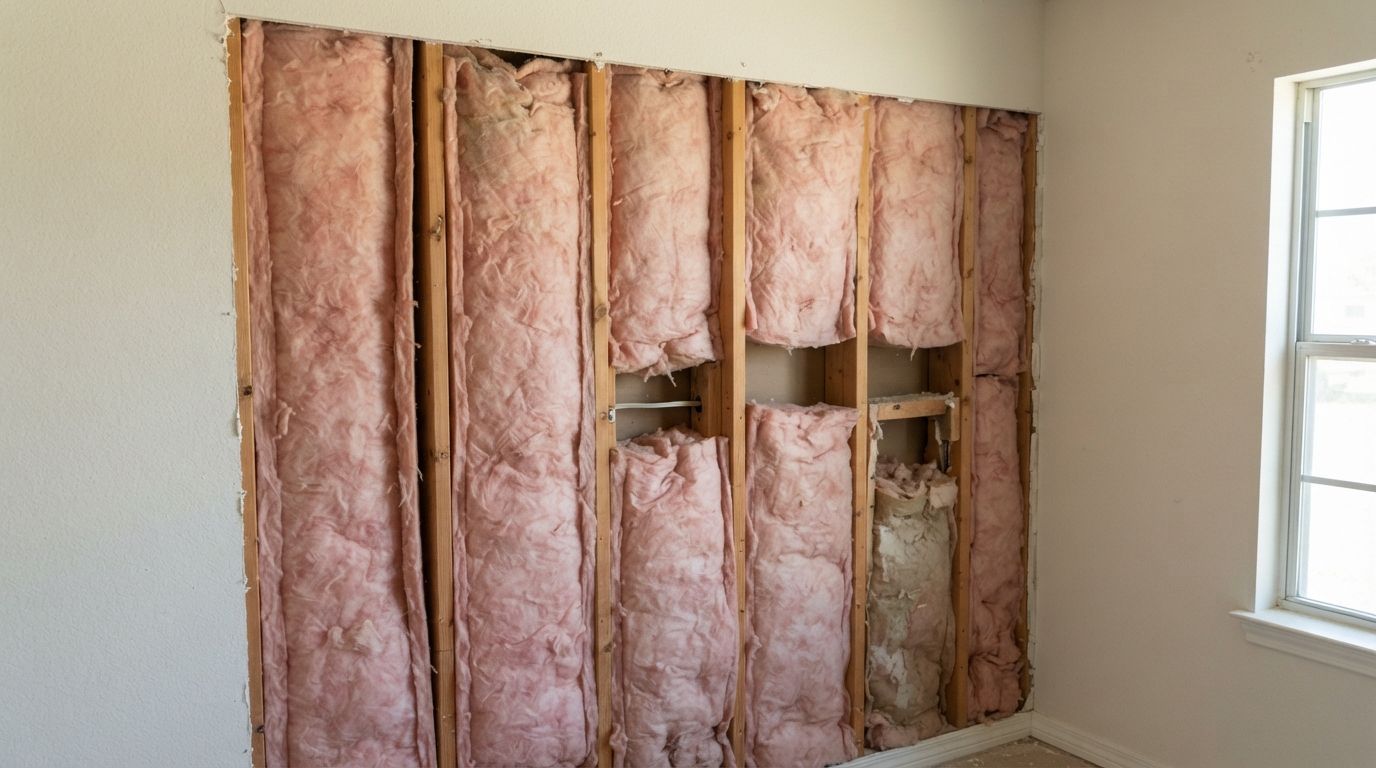
- Insulation Gaps: Missing or uneven insulation can reduce consistent thermal coverage.
- Damaged Material: Deteriorated, compressed, or displaced insulation may require further evaluation.
- Mold Growth: Visible mold should be investigated for moisture or ventilation problems.
A professional wall assessment can evaluate existing insulation coverage, accessible air leakage, moisture conditions, and other building components. These findings help determine whether adding insulation, replacing unsuitable material, air sealing, or other improvements may be appropriate.
Process
How We Professionally Install Wall Insulation Properly
Careful preparation and installation help provide consistent wall insulation coverage and thermal performance.
Wall Assessment
Our technicians assess wall construction, cavities, existing insulation, accessibility, moisture, and the intended thermal boundary.
Area Preparation
Accessible areas are prepared while air leakage, damaged insulation, penetrations, and surrounding components are evaluated.
Insulation Installation
Fiberglass, cellulose, spray foam, or other suitable insulation is installed using appropriate methods and professional equipment.
Final Inspection
Accessible areas are reviewed for proper insulation placement, consistent coverage, visible gaps, and other installation concerns.
Cost
Factors That Affect Wall Insulation Project Cost
Wall insulation costs vary because properties have different construction, materials, access, and requirements. The selected insulation type, installation area, R-value or thickness, and existing insulation can influence material and labor needs. Fiberglass, cellulose, spray foam, mineral wool, and rigid foam have different installation requirements. Finished walls, difficult cavity access, damaged insulation, air sealing, or preparation may increase the project scope. A property-specific assessment helps identify these factors and determine materials, preparation, and labor required before an estimate is developed.
Area Size
Larger wall areas require more insulation and labor.
Material Type
Different insulation types have different material cost needs.
Existing Insulation
Damaged insulation may need removal before replacement.
Wall Access
Closed wall cavities may require more preparation work.
Harlingen Insulation
Why Choose Our Wall Insulation Team?
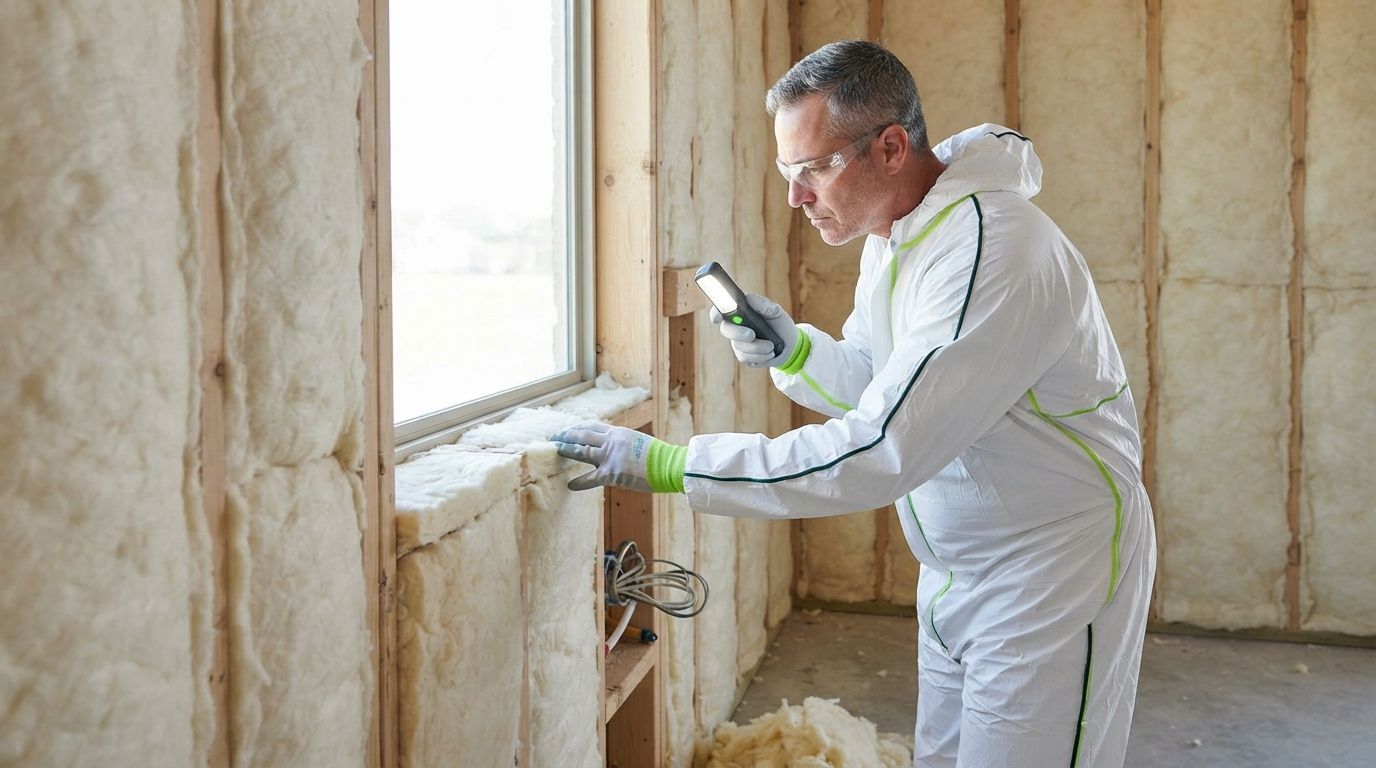
Wall insulation should be selected and installed according to the actual building assembly rather than treating one material as the best insulation for walls in every property. Our technicians focus on careful assessment, choosing the right insulation, preparation, and consistent coverage throughout the installation process. Harlingen Insulation works with insulation for residential and commercial properties, using trained professionals and appropriate equipment for fiberglass, spray foam, cellulose, stone wool insulation, and other suitable materials. Existing coverage, wall access, moisture conditions, cavity depth, framing, and required thermal resistance are also considered before recommending an appropriate solution.
Professional workmanship includes careful preparation, appropriate air sealing where applicable, controlled material installation, and attention to surrounding building components. Property owners receive clear information about wall insulation types, their relevant characteristics, preparation requirements, and installation considerations. This property-specific approach helps determine which insulation works appropriately for the individual building rather than assuming one insulation is best for every application.
Real Results
Recent Wall Insulation Projects in Harlingen Texas
Explore our recent wall insulation projects completed throughout Harlingen, Texas properties.
Before
After
FAQs
Frequently Asked Questions About Wall Insulation in Harlingen
Find helpful answers to common wall insulation questions from Harlingen property owners.
Need Further Support?
How can I tell if my walls are poorly insulated?
Possible signs of insufficient wall insulation include uneven temperatures between rooms, drafts near walls or penetrations, and wall surfaces that become noticeably warm during hot weather. Increased cooling demand may also warrant an assessment, although HVAC performance and other building-envelope conditions can contribute. Visible moisture or mold and mildew growth should be investigated for the underlying source rather than attributed automatically to insulation. An inspection can help evaluate accessible wall conditions, insulation coverage, air leakage, and moisture indicators.
What insulation materials can be used inside walls?
Several wall insulation types may be appropriate depending on construction and accessibility. Fiberglass batts are commonly fitted into open wall cavities, and fiberglass insulation is non-combustible. Mineral wool insulation is non-combustible as well and may offer useful fire resistance in appropriate assemblies. Spray foam insulation offers thermal insulation and air sealing in suitable applications, while cellulose can be installed in certain enclosed cavities. Rigid foam and foam board insulation may also be appropriate for specific wall assemblies.
Can existing walls be insulated without major remodeling?
Certain existing walls can be insulated without complete removal of interior finishes. Blown-in insulation may be considered when suitable wall cavities can be accessed through controlled openings. Whether this approach is appropriate depends on existing insulation, cavity obstructions, moisture conditions, wiring, plumbing, wall construction, and accessibility. A professional assessment should determine whether insulating your walls through a retrofit can provide suitable coverage without more extensive wall access.
How much does wall insulation cost?
Wall insulation cost varies according to the total installation area, insulation material, required thickness or R-value, wall accessibility, existing materials, and installation method. Retrofitting enclosed walls can involve different labor and preparation requirements from insulating open framing during new construction or renovation. Additional preparation, removal of unsuitable insulation, difficult access, and necessary repairs can also affect the project scope. A property-specific assessment provides a more reliable basis for estimating material and labor requirements.
Can wall insulation help improve indoor comfort?
Proper wall insulation can help reduce unwanted heat transfer through exterior walls and support more consistent indoor temperatures. This can be particularly relevant for homes in Harlingen during prolonged periods of hot weather. Appropriate air sealing may also reduce drafts where accessible leakage points are identified. Overall comfort and energy performance depend on the entire building envelope, so insulation plays one part in managing thermal performance rather than serving as a standalone solution.
Harlingen Insulation
Request a Wall Insulation Estimate in Harlingen
A wall insulation estimate for a Harlingen property begins with assessing the wall assembly, existing materials, accessibility, visible conditions, and the areas being considered for insulation. Trained insulation specialists evaluate these conditions to determine suitable insulation options, preparation requirements, required coverage, and the installation method appropriate for the property.
Residential and commercial projects can have different construction and accessibility considerations, so the proposed insulation scope is based on the individual building rather than a standard package. Property owners can review fiberglass, spray foam, cellulose, wool, rigid foam board insulation, and other suitable insulation products. Because each type of insulation offers different characteristics, professional assessment helps identify the right insulation based on thermal performance, air sealing needs, wall construction, and existing conditions.