
Spray Foam Insulation Services in Harlingen Texas
Harlingen Insulation provides spray foam insulation for residential and commercial properties throughout Harlingen, TX. The service helps reduce heat transfer and air leakage by applying expanding foam to gaps, cracks, cavities, and building assemblies. When properly installed, spray foam can create continuous insulation coverage while addressing areas where air movement may affect the building envelope. It can be used in attics, walls, roof assemblies, crawl spaces, and other areas depending on the property's construction.
Our trained technicians assess existing materials, application areas, accessibility, surface conditions, moisture concerns, ventilation, surrounding components, and project requirements before determining whether open-cell or closed-cell foam is appropriate. Because each foam type has different characteristics, material selection should reflect the application, building assembly, thermal resistance, and moisture considerations. Each installation is planned around thermal and air boundaries, required foam thickness, substrate condition, and application area. Professional equipment, proper preparation, safety-focused procedures, and attention to consistent coverage support proper installation and reliable spray foam performance.
Request a Free Quote
We will get back to you as soon as possible.
Please try again later.
Overview
Professional Spray Foam Insulation for Harlingen Properties
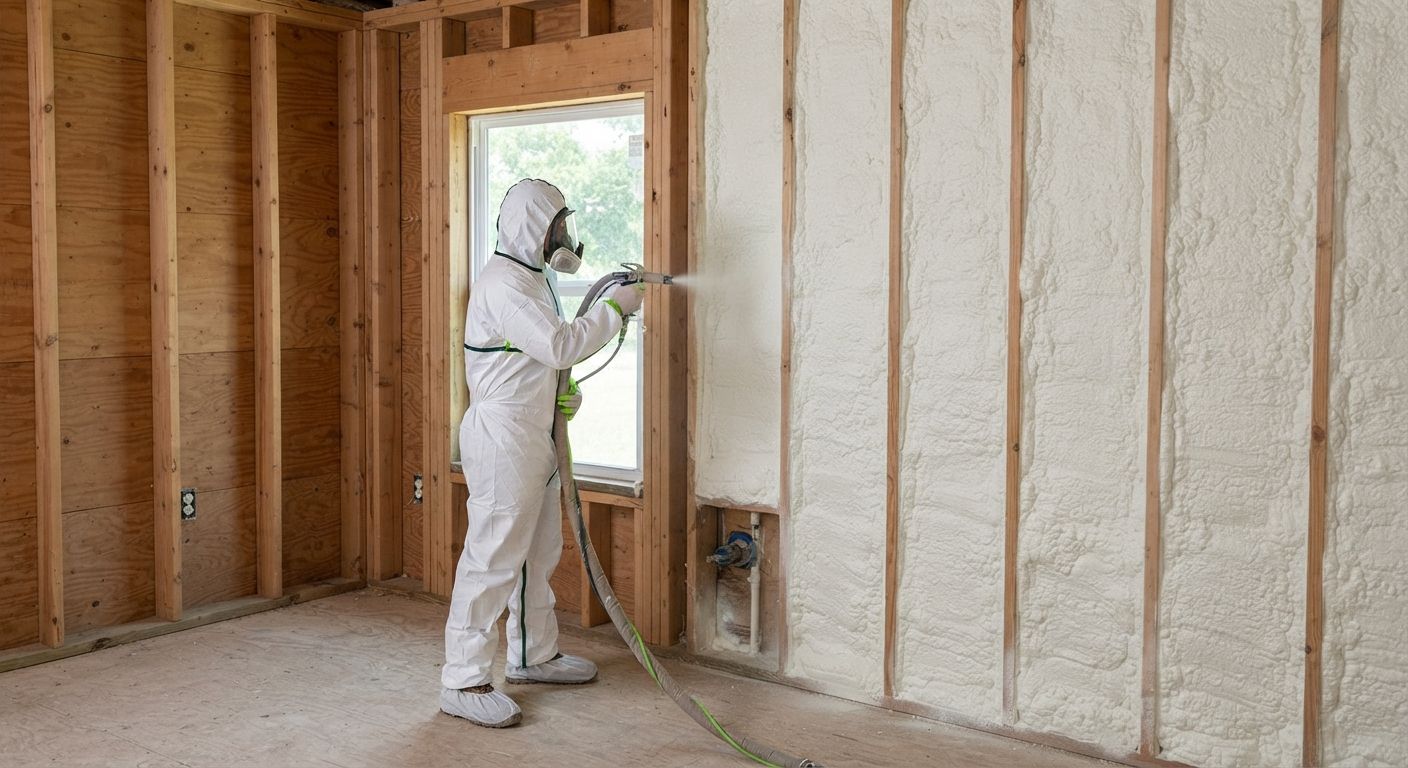
Spray foam insulation requires material selection, preparation, application, and evaluation of building conditions. Our technicians consider factors before determining the approach for each Harlingen property, including accessibility, moisture, ventilation, surface preparation, coverage, and insulation requirements.
Thermal Protection
Spray foam provides thermal resistance that can help reduce unwanted heat transfer through suitable building assemblies.
Air Sealing
Expanding foam can help seal suitable gaps and cracks where uncontrolled air movement affects the building envelope.
Foam Selection
The appropriate foam type, R-value, thickness, and coverage depend on the building assembly and intended application.
Surface Conditions
Moisture, deterioration, contamination, and surface conditions should be evaluated before spray foam is applied.
Building Performance
Proper installation can support indoor comfort and energy efficiency, depending on ventilation, construction, coverage, and surrounding components.
Problem
When Spray Foam Insulation May Be the Right Solution
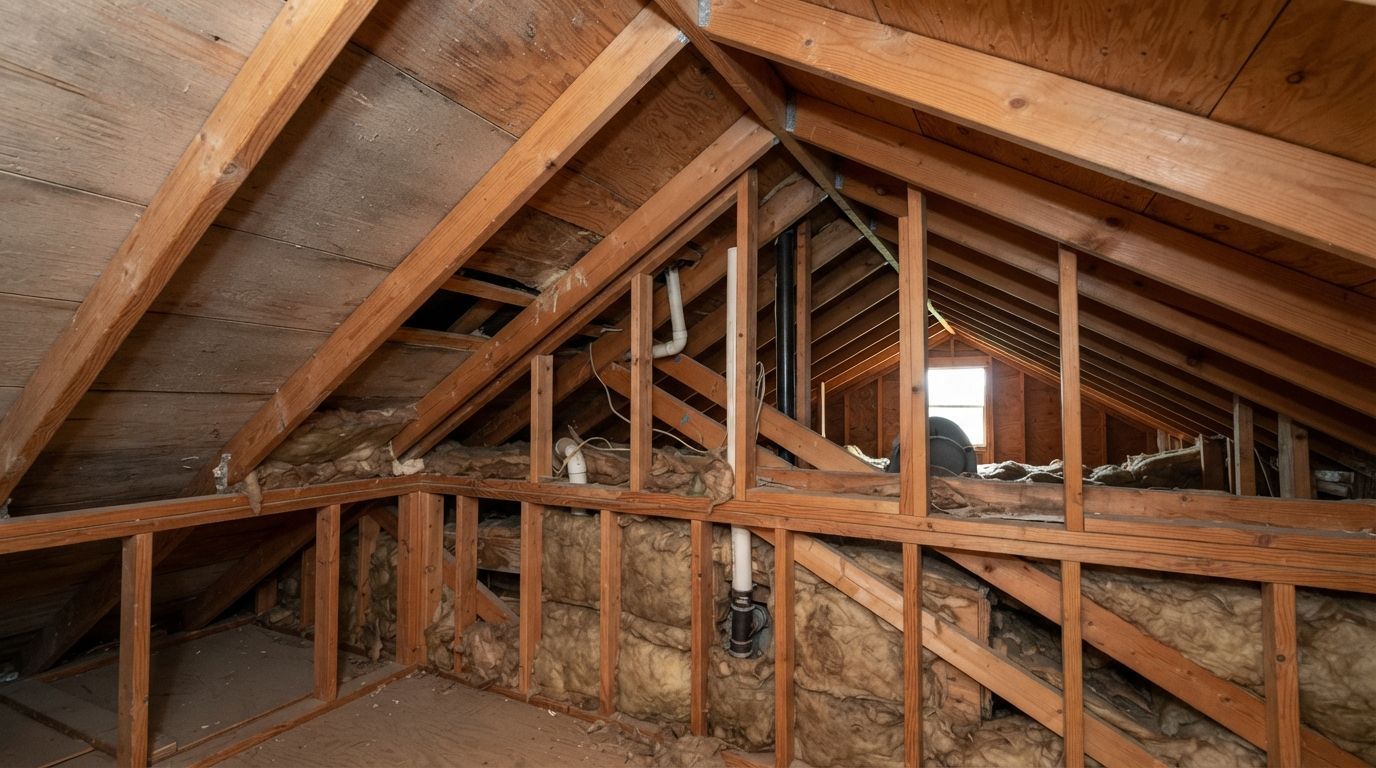
Spray foam insulation can be used in several areas where controlling heat transfer and accessible air leakage is important. Because the material expands during application, it can conform to gaps, cavities, and irregular spaces when properly applied.
- Attic Spaces: Helps provide thermal coverage across suitable attic and roof areas.
- Wall Cavities: Expands within suitable cavities and around irregular spaces.
- Crawl Spaces: Can be applied to appropriate surfaces where insulation and air sealing are needed.
- Floor Areas: Provides insulation for suitable floor assemblies and accessible spaces.
- Roof Assemblies: Can provide thermal resistance when specified for the roof construction.
- Gaps and Cracks: Expanding foam can help seal accessible openings that allow unwanted air movement.
The appropriate application depends on the building assembly, moisture conditions, ventilation, surface compatibility, and project requirements. Open-cell and closed-cell foam also have different properties, so our technicians evaluate these factors before selecting the appropriate foam and installation approach.
Process
How We Professionally Apply Spray Foam Insulation
Careful preparation and application help ensure proper spray foam coverage.
Surface Assessment
Technicians inspect suitable surfaces, cavity dimensions, moisture conditions, penetrations, and surrounding components before beginning the spray foam application.
Area Preparation
Surrounding areas are protected, surfaces are prepared, and appropriate ventilation and safety controls are established before foam is applied.
Insulation Installation
Specialized equipment applies the selected foam in controlled passes based on required thickness, coverage, cavity dimensions, and product requirements.
Final Inspection
Applied foam is carefully reviewed for proper coverage and thickness, while required curing, ventilation, and re-entry guidance is followed before normal access resumes.
Cost
Factors That Affect Spray Foam Insulation Cost
Spray foam insulation costs vary between Harlingen properties because each project involves different conditions, application areas, materials, and preparation. The cost should reflect the scope of work rather than a standard price per square foot. Foam type, thickness, coverage area, accessibility, surface condition, and building configuration can influence material and labor requirements. Existing insulation may need evaluation when damaged. A property-specific assessment identifies these conditions and provides a basis for determining the project scope and insulation cost.
Foam Type
Open or closed cell foam affects material costs.
Coverage Area
Larger areas require more foam, time, and labor.
Foam Thickness
Thicker applications require more material and time.
Project Access
Tight spaces may need more time and prep work.
Harlingen Insulation
Why Choose Our Spray Foam Insulation Team?
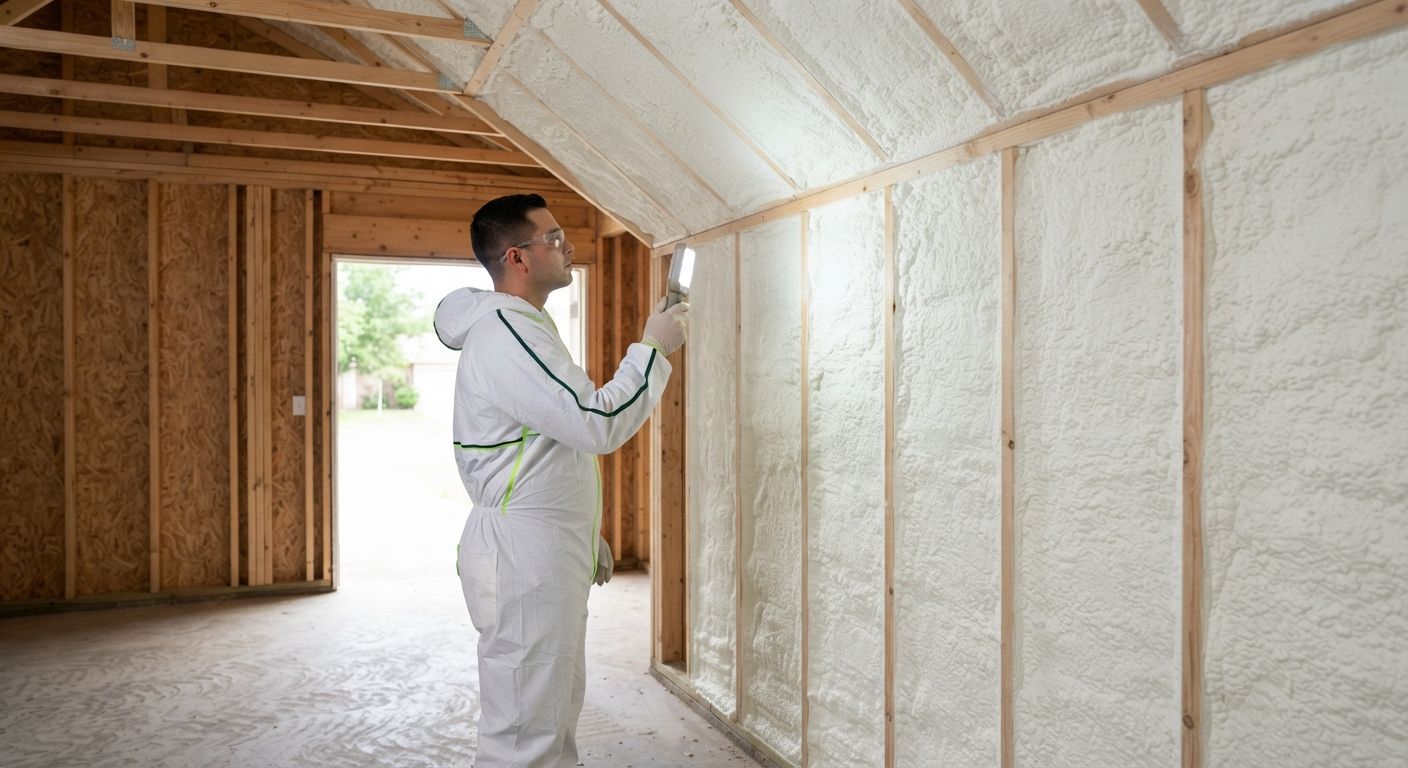
Harlingen Insulation brings 7 years of hands-on industry experience to residential spray foam and commercial insulation projects for local homes and buildings. Our trained technicians focus on property-specific assessments, appropriate material selection, professional-grade equipment, and controlled application methods rather than relying on one approach for every building.
Open-cell and closed-cell spray foam provide different levels of thermal resistance and have different vapor characteristics. The appropriate choice between closed cell and open cell depends on the building assembly, intended application, moisture conditions, required R-value, and applicable requirements. Understanding these differences is part of what makes spray foam selection important for each property, and our insulation specialists consider these factors before recommending a suitable system. Safety-focused procedures are maintained throughout preparation and application. Property owners receive clear information about the proposed foam type, application area, preparation requirements, installation process, ventilation, and relevant curing or access considerations before work proceeds.
Real Results
Recent Spray Foam Insulation Projects in Harlingen Texas
Explore our recent spray foam insulation projects completed throughout Harlingen, Texas properties.
Before
After
FAQs
Frequently Asked Questions About Spray Foam Insulation in Harlingen
Find helpful answers to common spray foam insulation questions from Harlingen property owners.
Need Further Support?
Where can spray foam insulation be installed?
This material can be used in suitable attics, walls, crawl spaces, roof assemblies, and other accessible cavities in residential and commercial properties. Before installation, trained technicians evaluate access, existing insulation materials, ventilation, moisture conditions, and surface compatibility. This assessment helps determine whether open-cell or closed-cell foam is appropriate for the specific building assembly.
How much does spray foam insulation cost?
Project cost depends on the application area, square footage, type of foam, required thickness, accessibility, surface preparation, and existing insulation. Removal or additional preparation can also affect labor requirements. A professional assessment allows technicians to evaluate the actual conditions of a Harlingen property and develop an estimate based on the proposed scope rather than generalized energy bills or utility savings.
How long does spray foam insulation take to install?
Installation time varies with project size, accessibility, preparation requirements, insulation type, and application thickness. Larger or more complex spaces generally require additional time. Cure, ventilation, and re-entry requirements are separate considerations and can vary by product and site conditions. Trained technicians follow appropriate application procedures and manufacturer guidance rather than applying one timeline to every project.
Is spray foam suitable for Harlingen's hot climate?
Spray foam can be suitable for Harlingen properties when the material and application are appropriate for the building assembly. It provides thermal resistance and can help reduce unwanted air movement, important considerations for cooling performance and managing energy costs. Technicians also evaluate moisture, ventilation, required R-value per inch, and vapor characteristics before selecting open-cell or closed-cell foam.
How does spray foam help with air sealing?
The foam expands during application, allowing it to conform to a suitable gap, crack, joint, or irregular opening in the building assembly. When properly specified and installed, expanding foam can seal air leaks in treated areas and reduce uncontrolled air infiltration while providing thermal resistance. Effective air sealing still depends on coverage, surface conditions, penetrations, transitions, ventilation, and overall building-envelope design.
Harlingen Insulation
Request a Spray Foam Insulation Estimate in Harlingen
Property owners can request an estimate based on the actual conditions of their Harlingen home or commercial building. Harlingen Insulation evaluates the application area, square footage, accessibility, existing insulation, surface condition, moisture indicators, insulation type, required coverage, and preparation needs before developing the proposed scope of work.
The assessment also helps determine whether existing material can remain, whether removal or preparation is necessary, and whether open-cell spray foam or closed cell spray foam insulation is appropriate for the building assembly. Property owners receive clear information about the proposed material, application approach, preparation requirements, and factors affecting the estimate before deciding whether to proceed.